Threshold of pleading ‘malafides’ in writ cases
CA examines ‘approbate & reprobate’
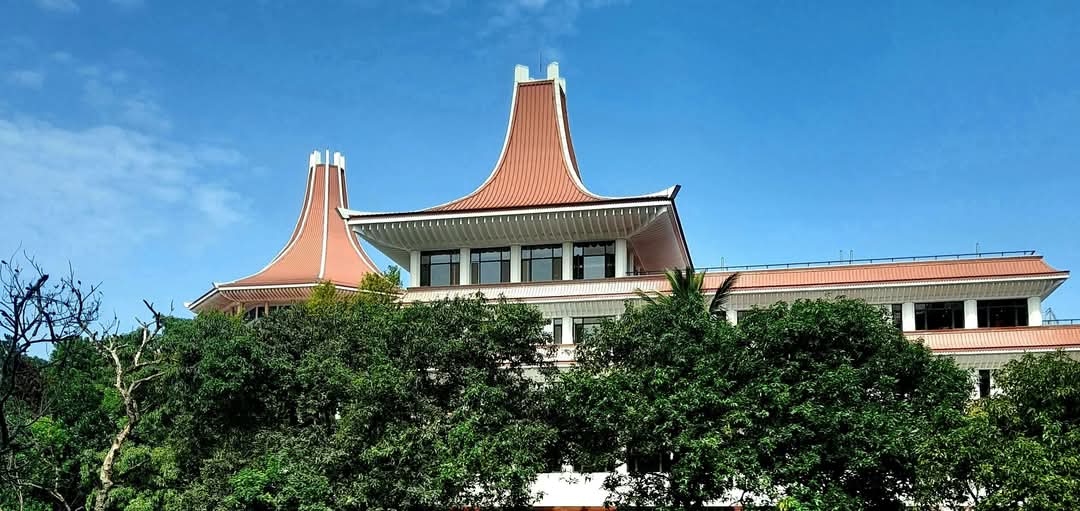
The Court of Appeal recently examined the principle of uberrima fides (utmost good faith) in the context of judicial review, particularly in writ applications, with specific focus on the doctrine of approbate and reprobate. The Court emphasized that a party cannot, in the same breath, accept and reject the legality of the same act or decision depending on convenience.
In this case, the Petitioner had enaged in the electoral process of a cooperative society without objection, only to later challenge the validity of the same process when results proved unfavourable. The Court held that such conduct amounted to approbating and reprobating, and accordingly rejected the petition, citing abuse of court process and lack of good faith.
“In Ceylon Plywoods Corporation v. Samastha Lanka G.N.S.M. & Rajya Sanstha Sevaka Sangamaya (per S. N. Silva, J) held that “the doctrine of approbate and reprobate (quod approbo non reprobo) is based on the principle that no person can accept and reject the same instrument”. A Divisional Bench of the Supreme Court has explained the manner in which the doctrine applies in Ranasinghe v. Premadharma and others, in the following terms (per Sharvananda CJ) “In cases where the doctrine of approbation and reprobation applies, the person concerned has a choice of two rights, either of which he is at liberty to adopt, but not both. Where the doctrine does apply, if the person to whom the choice belongs irrevocably and with full knowledge accepts the one he cannot afterwards assert the other; he cannot affirm and disaffirm. Hence a defendant who denies tenancy cannot consistently claim the benefit of the tenancy which the Rent Act provides.” The application of the doctrine in writ applications has been discussed by this Court in T. M. Premadasa v. The Ceylon Electricity Board and others, (per Janak de Silva J.) as follows; “… though the jurisdiction of this Court is constitutional, writ of mandamus being a discretionary remedy there exists several grounds on which relief can be refused. One such situation is where the Petitioner seeks to approbate and reprobate as outlined above.” In the instant case, I am inclined to the view that a case of “approbation and reprobation” can be made out against the Petitioner both in relation to the certification of the lists of voters and on the positions taken up the two writ applications….” – Justice Mahen Gopallawa
Additionally, the Court analysed the standard required to sustain allegations of malafides in writ jurisdiction. It reaffirmed that mere assertions are insufficient, and that clear, specific, and cogent material must be placed before the Court to cross the threshold necessary for judicial scrutiny.
“…the Petitioner has failed to meet the threshold standard expected to establish mala fides in judicial review applications. With regard to such standard required, this Court has held in Bandaranayake v. Judicial Service Commission, as follows (per Sripavan J.); “Learned Counsel also urged bad faith on the part of the first respondent Commission. “The plea of mala fides is raised often but it is only rarely it can be substantiated to the satisfaction of Court. Merely raising doubt is not enough. There should be something specific, direct and precise to sustain the plea of mala fides. The burden of proving mala fides is on the individual making allegation as the order is regular on its face and there is a presumption in favour of the administration that it exercises its power in good faith and for the public benefit.” Principles of Administrative Law (Jain & Jain, 4th Edition 1988 Page 564) Accordingly, the court will not in general entertain allegations of bad faith made against the repository of a power, unless bad faith has been expressly pleaded and properly enumerated in detail. [Vide Gunasinghe v Hon Gamini Dissanayake]. The petition however did not set out in detail the allegations of mala fide against the first respondent Commission.” – Justice Mahen Gopallawa
Case No: CA/WRIT/803/2024 [04.04.2025]
Before: Justice Mayadunne Corea and Justice Mahen Gopallawa